Editorial
Insights / Natural Stone
Reconnecting Architecture with the Earth Through Structural Stone
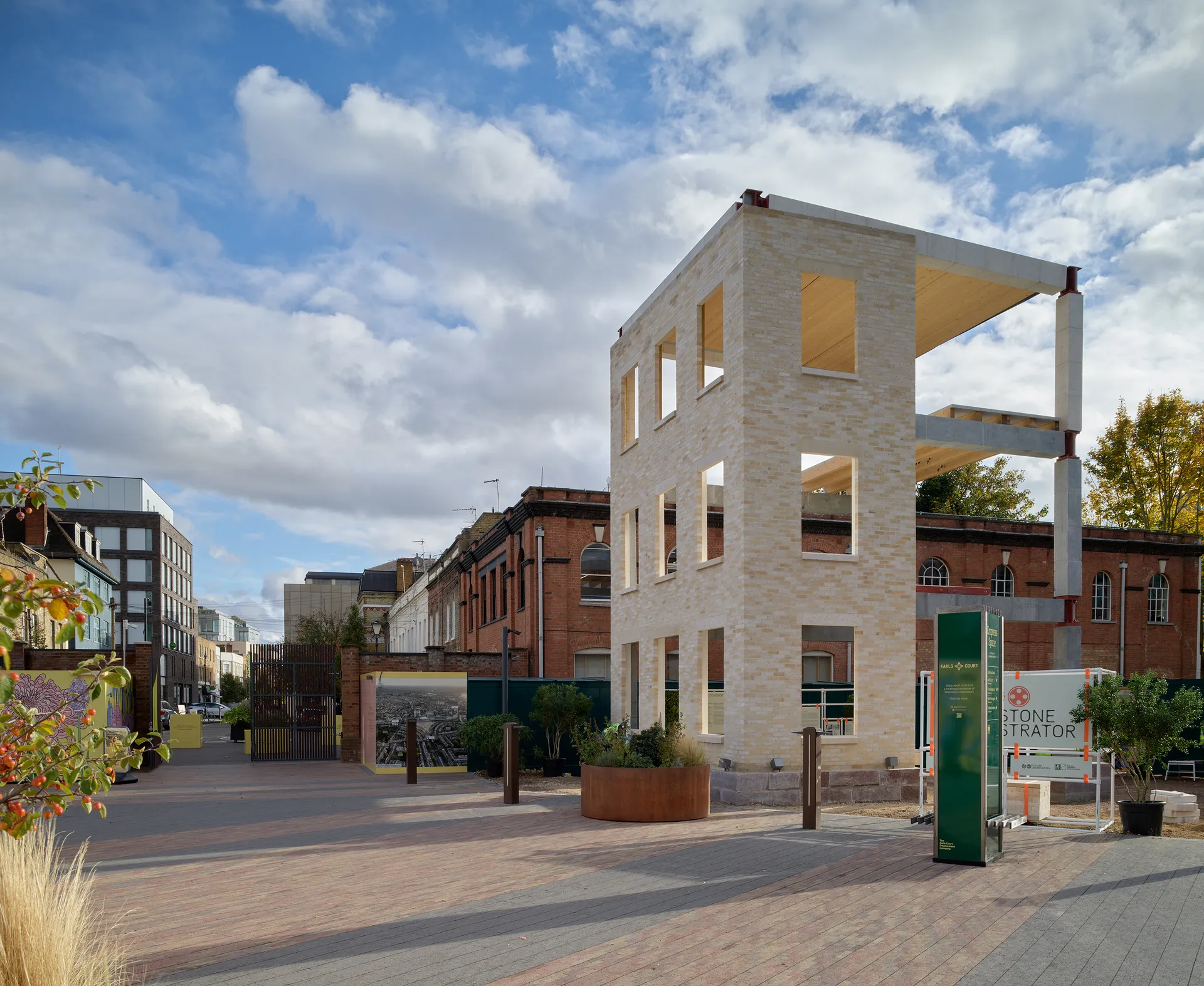
Image Credit:
Bas Princen
Read Time:
4
min read
Published:
The future of stone is not found in treating it as a finish, but in rediscovering its potential as a foundation for architecture.
Near London’s bustling Earls Court, modern construction that is made of concrete and steel: the Stone Demonstrator stands. Designed by Webb Yates, Groupwork and Arup, the Stone Demonstrator is a prototype of pretensioned stone that demonstrates its ability to match the structural performance of modern framing systems. The primary objective of the Stone Demonstrator is to prove that natural stone is viable, high performance and an ultra-low carbon structural alternative to conventional reinforced concrete and steel frames. It is not merely an experiment. It reminds us of a fundamental truth: we are not merely assembling spaces, we are participating in a material cycle that spans geological time.
The Erosion of Structural Integrity
Stone possesses a “solidified history.” Formed through geological processes over vast periods of time, it embodies a balance of strength and resilience that offers a powerful metaphor for architectural permanence and responsibility. Yet, in modern construction, we have stopped using it as a structural “skeleton”. Instead, we use it as a thin “skin” (cladding). This pervasive use of cladding not only obscures the material’s structural integrity but also squanders the innate resilience of stone in the production process. When we reduce stone to decorative surface, we ignore its capacity to define the very bones of our built environment.

Image Credit:
Bas Princen
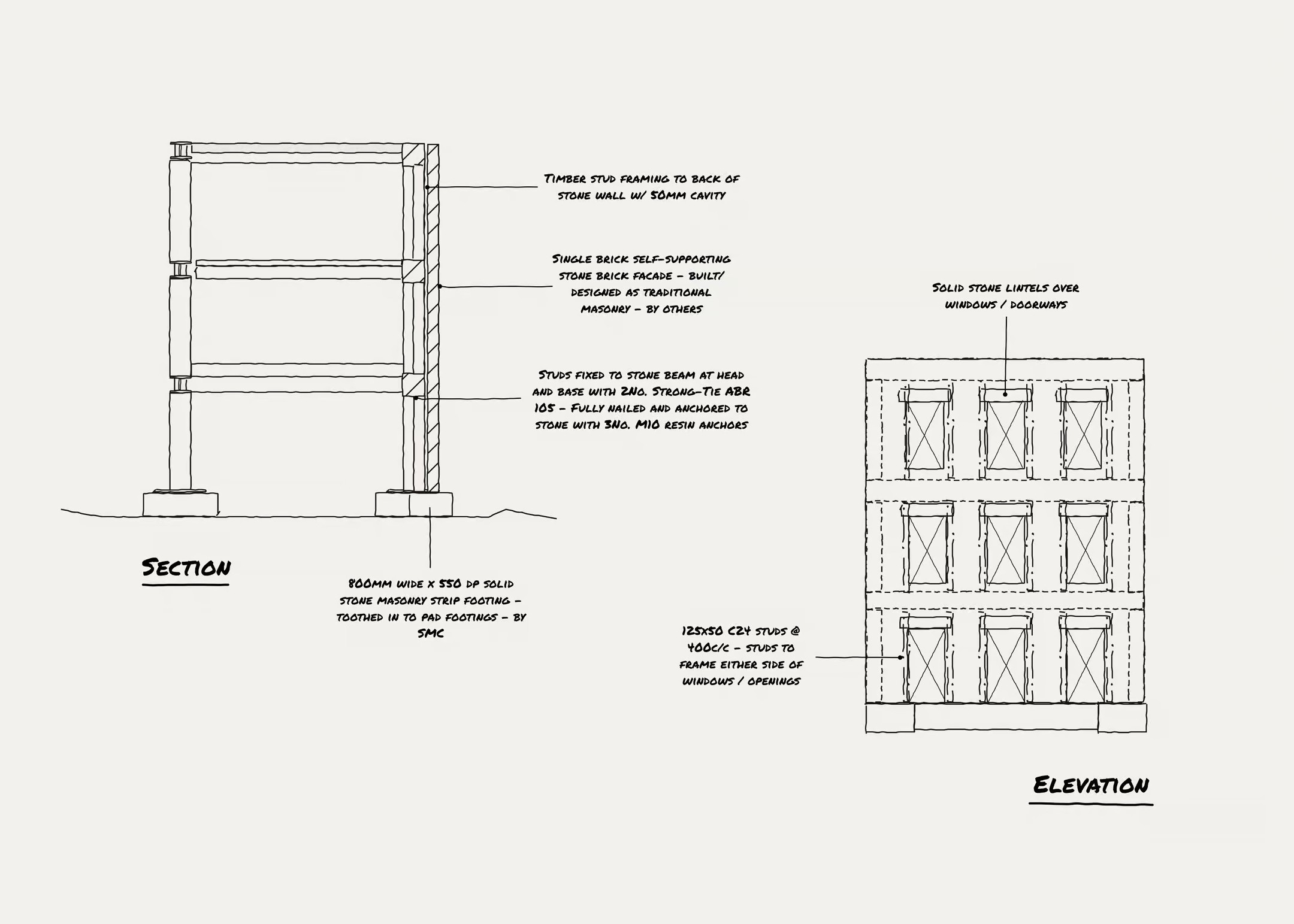
Image Credit:
Bas Princen
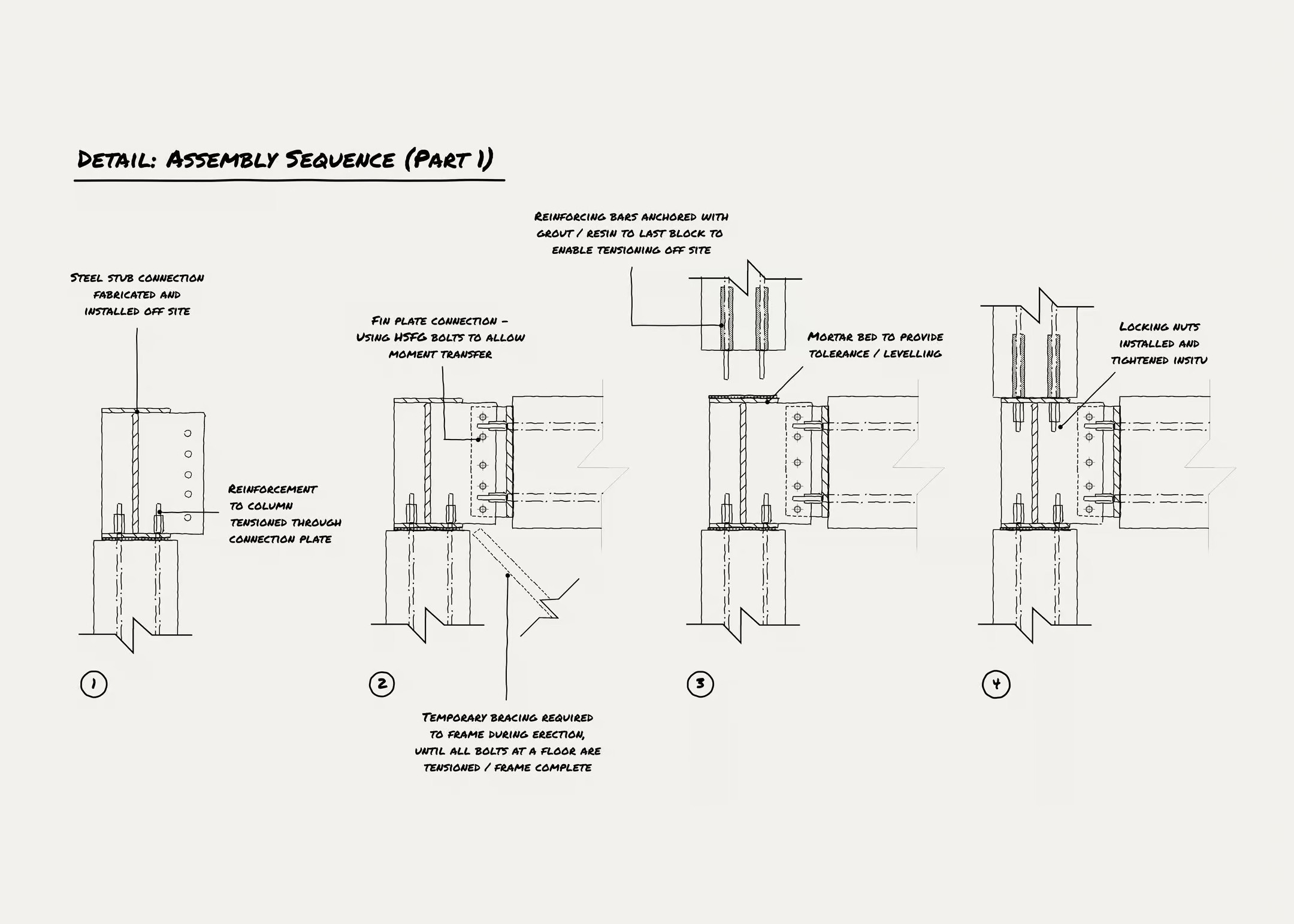
Image Credit:
Bas Princen
How Hutton Stone is Challenging the Role of Stone in Modern Architecture
Conversations with Marcus Paine from producer Hutton Stone highlight the deep contradictions of contemporary procurement logic. The bond between architects and makers has become more distant and disconnected compared to historically. We increasingly rely on globalised data platforms, those vast, yet often soulless, material banks as well as the conventional and default solutions to dictate our specifications, all while giving up on having a deep, physical knowledge of our local materials. The breakdown of specification often occurs during the "value engineering" phase of procurement, where cheaper substitutes are not quite the material itself. When design intent is surrendered to cost optimisation, the building loses its character and structural honesty. We find ourselves in an era where the ease of clicking "add to cart" on a global catalogue has replaced the rigorous investigation of a material’s origin, its extraction process, and its long-term performance.

Image Credit:
Bas Princen
The Proximity Principle: Architecture as 'Art de Vivre'
Unlike industrial materials, stone possesses an intense sense of "proximity." Much like in French culture, where Art de Vivre emphasises an ultimate refinement in the details and origins of our lives, the same logic should be applied to architecture: stone is intrinsically tied to specific geology and specific cultures. The Stone Demonstrator is revolutionary precisely because it treats stone as "geological capital." Unlike short-lived industrial substitutes that arrive with heavy manufacturing carbon debts, stone is history sedimented deep within the earth. Its value lies not only in reducing carbon emissions, but in the permanence and dignity it bestows upon a building. There is a profound honesty in stone that industrial products cannot replicate; it requires us to work with the limitations of the earth rather than against them.
Architects as “Custodians of Material”
Architects must strive to shift from mere "designers" to "custodians of material." We need to talk directly to the quarries and the makers, not only browsing catalogues. We should establish professional oversight – the process of choosing materials should not be an administrative hurdle; it should be part of the design process, protected by architects from start to finish. There is also a need for calculated rationality as using stone requires precision, testing and expert knowledge of how a specific piece of rock handles weight and pressure.
Conclusion: Reclaiming Our Built Heritage
Stone cannot be manipulated as easily as industrial materials, but this very "limitation" gives us inspiration to be more creative. The Stone Demonstrator reminds us that alternative construction logics already exist; they are buried within the strata, waiting for architects with a sense of history and a vision for the future to reactivate them. It challenges us to reconsider how we utilize stone: not as an afterthought, but as the foundation of our architecture.
Perhaps the next time we hold a specification document in our hands, we should ask ourselves: are we selecting a product, or are we continuing a dialogue with the earth? This pursuit of authenticity is not just for the sake of environmental stewardship, but for bringing dignity back to the buildings we create. Besides specification, perhaps we should let the natural characteristics of stone drive our innovation, pushing the boundaries of the modern application of stone, like the Stone Demonstrator which has an innovation element to it as it is different from traditional methods.
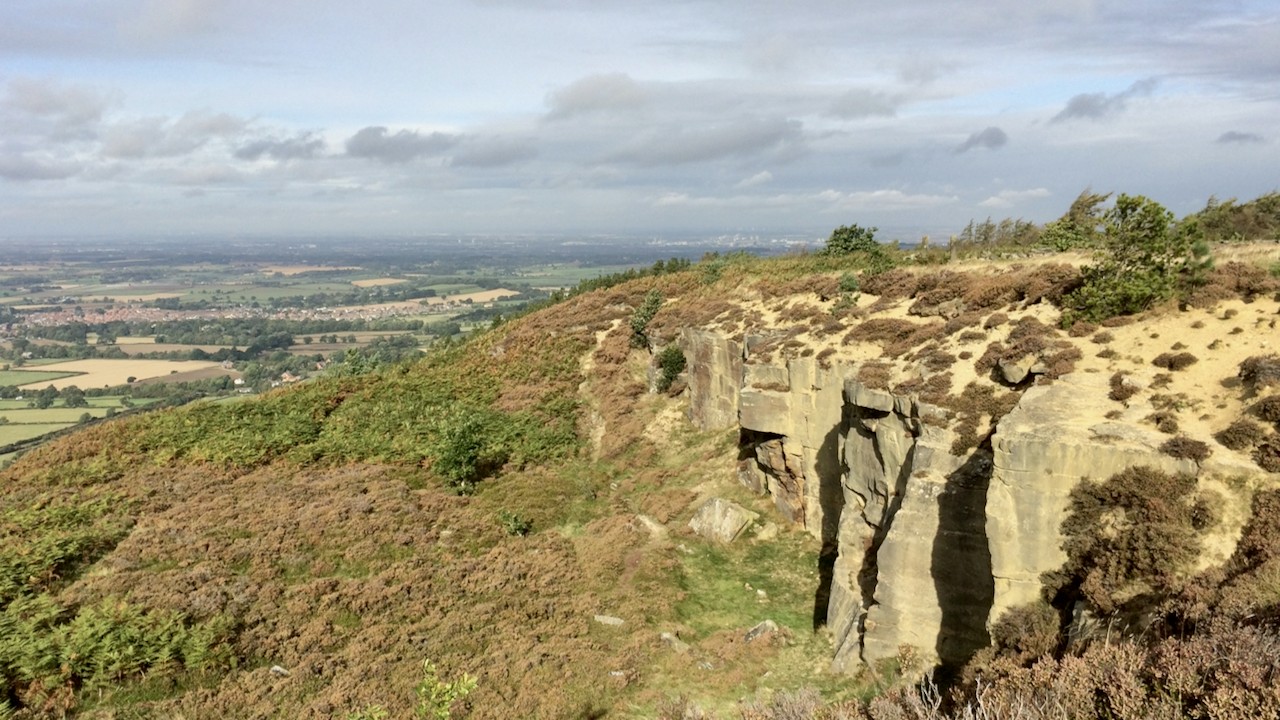
Image Credit:
Fhithich
Key Takeaways
Understanding its origins, geological formation and journey from extraction to construction allows architects to make more responsible choices while embracing durability, permanence and long-term value.
The revival of structural stone challenges the idea that natural materials are only decorative finishes, demonstrating their potential as low-processing, load-bearing construction systems.
Place-based architecture can emerge from materials that reflect local geology, craftsmanship and cultural identity, creating stronger relationships between buildings and their environments.
Regenerative thinking requires moving beyond reducing harm towards designing systems where materials can retain value, be reused and support more circular approaches to construction.
Stone’s natural characteristics can become a source of creativity, encouraging architects to explore alternative construction approaches rooted in material properties, history and place.
Disclaimer: This article is for informational and discussion purposes only and does not constitute professional engineering or architectural advice. The structural implementation of stone involves complex, site-specific analysis. Always consult with licensed professionals regarding feasibility, safety, and regulatory compliance of any project. The author assumes no liability for the application of these concepts.