Retrofit
Hemp block retrofit transforming former factory into cultural venue
Atoma Art Center in Brussels in Belgium
Isohemp
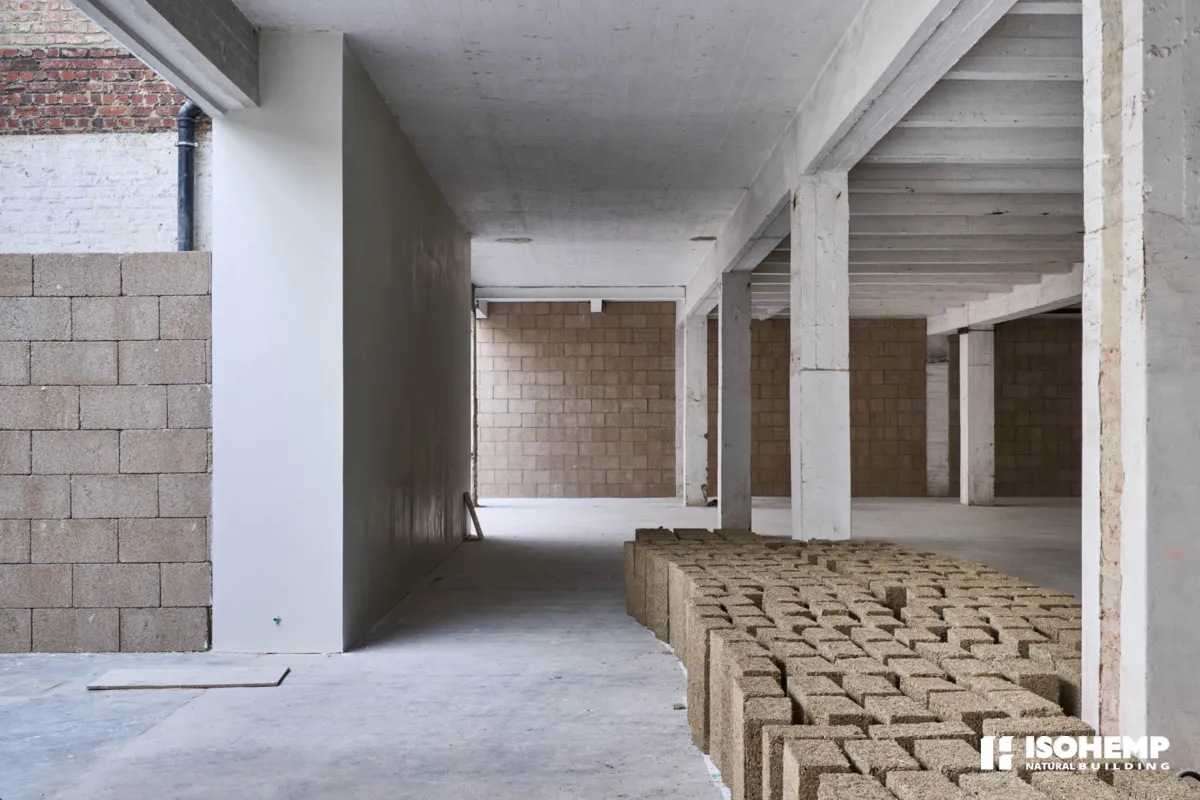
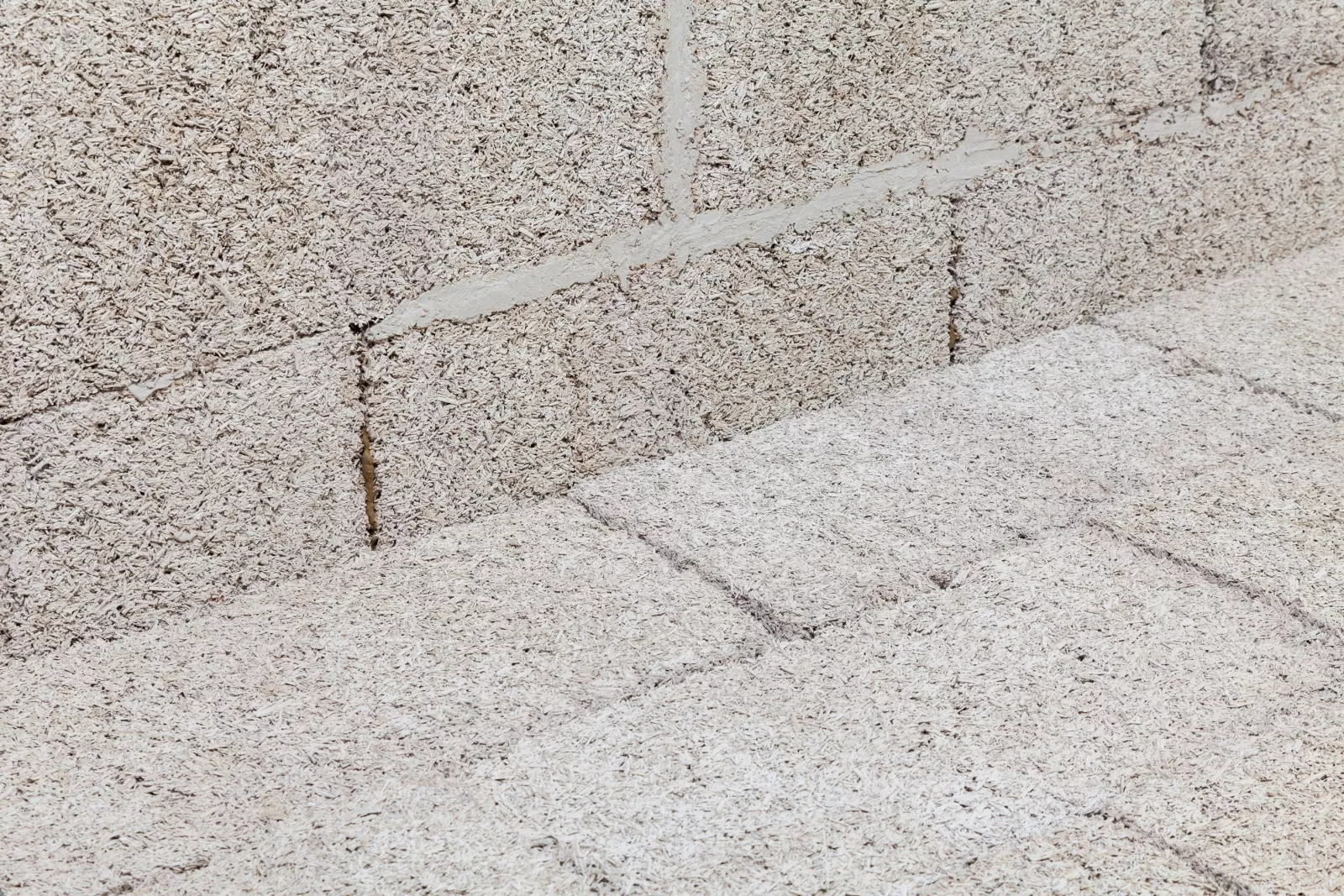
Construction Process: Interior insulation retrofit using hemp-lime masonry blocks installed as internal lining within an existing industrial structure
The Atoma Art Center renovation converts a former industrial factory in Brussels into a contemporary cultural and exhibition space while retaining the existing structural fabric. Designed by Urban Nation Architects and completed in 2024, the project transforms approximately 3,600 m² of industrial building area including the 1,000 m² Constantin Chariot Space. The retrofit strategy focuses on improving internal environmental conditions while respecting the constraints of the existing structure. Approximately 800 m² of hemp-lime blocks manufactured by IsoHemp were installed as internal insulation. These blocks combine hemp fibres and lime to form a lightweight bio-based masonry unit that provides thermal insulation, acoustic attenuation and vapour permeability. The material enables the historic building envelope to remain breathable while improving energy efficiency and interior comfort. Hemp blocks also contribute acoustic absorption, which is particularly relevant for a cultural venue hosting exhibitions and events. By inserting a natural insulating layer within the existing fabric rather than replacing the structure, the project demonstrates how bio-based materials can support energy upgrades in adaptive reuse projects while maintaining the architectural character of industrial heritage buildings.
The Atoma Art Center renovation converts a former industrial factory in Brussels into a contemporary cultural and exhibition space while retaining the existing structural fabric. Designed by Urban Nation Architects and completed in 2024, the project transforms approximately 3,600 m² of industrial building area including the 1,000 m² Constantin Chariot Space. The retrofit strategy focuses on improving internal environmental conditions while respecting the constraints of the existing structure. Approximately 800 m² of hemp-lime blocks manufactured by IsoHemp were installed as internal insulation. These blocks combine hemp fibres and lime to form a lightweight bio-based masonry unit that provides thermal insulation, acoustic attenuation and vapour permeability. The material enables the historic building envelope to remain breathable while improving energy efficiency and interior comfort. Hemp blocks also contribute acoustic absorption, which is particularly relevant for a cultural venue hosting exhibitions and events. By inserting a natural insulating layer within the existing fabric rather than replacing the structure, the project demonstrates how bio-based materials can support energy upgrades in adaptive reuse projects while maintaining the architectural character of industrial heritage buildings.
Internal bio-based retrofit: Around 800 m² of hemp blocks were installed as internal insulation, enabling performance upgrades while preserving the existing industrial façade.
Hygrothermal compatibility with heritage fabric: Vapour-permeable hemp-lime blocks regulate humidity and reduce condensation risk within existing masonry walls.
Acoustic performance for cultural use: The hemp block system provides acoustic absorption, supporting the calm internal atmosphere required for exhibition and event spaces.
Adaptive reuse strategy: Retaining the existing 3,600 m² factory structure significantly reduces demolition waste and embodied carbon compared with new construction.
Internal bio-based retrofit: Around 800 m² of hemp blocks were installed as internal insulation, enabling performance upgrades while preserving the existing industrial façade.
Hygrothermal compatibility with heritage fabric: Vapour-permeable hemp-lime blocks regulate humidity and reduce condensation risk within existing masonry walls.
Acoustic performance for cultural use: The hemp block system provides acoustic absorption, supporting the calm internal atmosphere required for exhibition and event spaces.
Adaptive reuse strategy: Retaining the existing 3,600 m² factory structure significantly reduces demolition waste and embodied carbon compared with new construction.
Project Team
Location
Year Completed
Project Value
Awards
Sources
More Stories
More articles you may find useful, carefully selected from our journal