Heritage/ Cultural
National Trust Grade I Listed Site Future Proofed Naturally
Ightham Mote New Visitor Centre
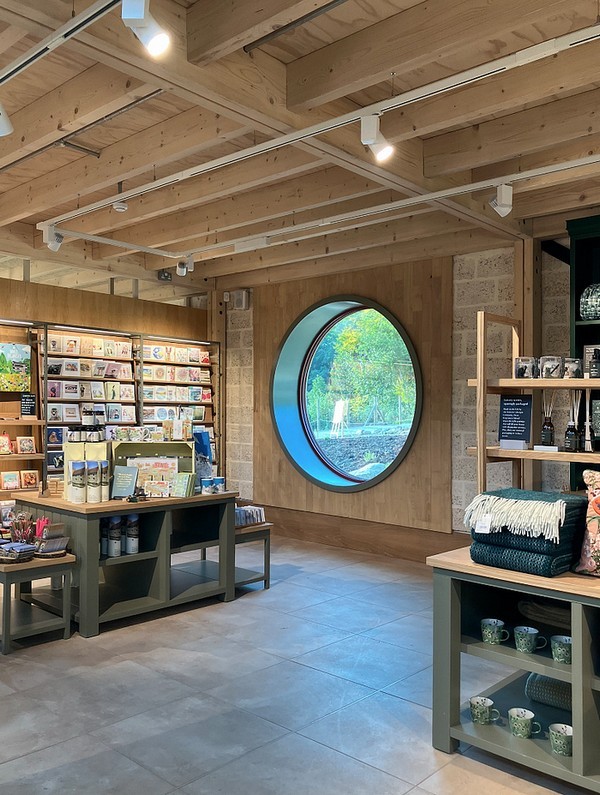
Image Credit: Fred Howarth & Reed Watts
Embodied Carbon: Whole Life Carbon Assessment: 497 kg CO₂-eq / m² (declared unit not specified; lifecycle modules not declared; standard not declared)
Renewable Energy Integration: Air source heat pump for space heating
Construction Process: Timber frame structure with 400 mm precast hemp-lime insulation blocks and breathable lime finishes forming a vapour-permeable wall assembly.
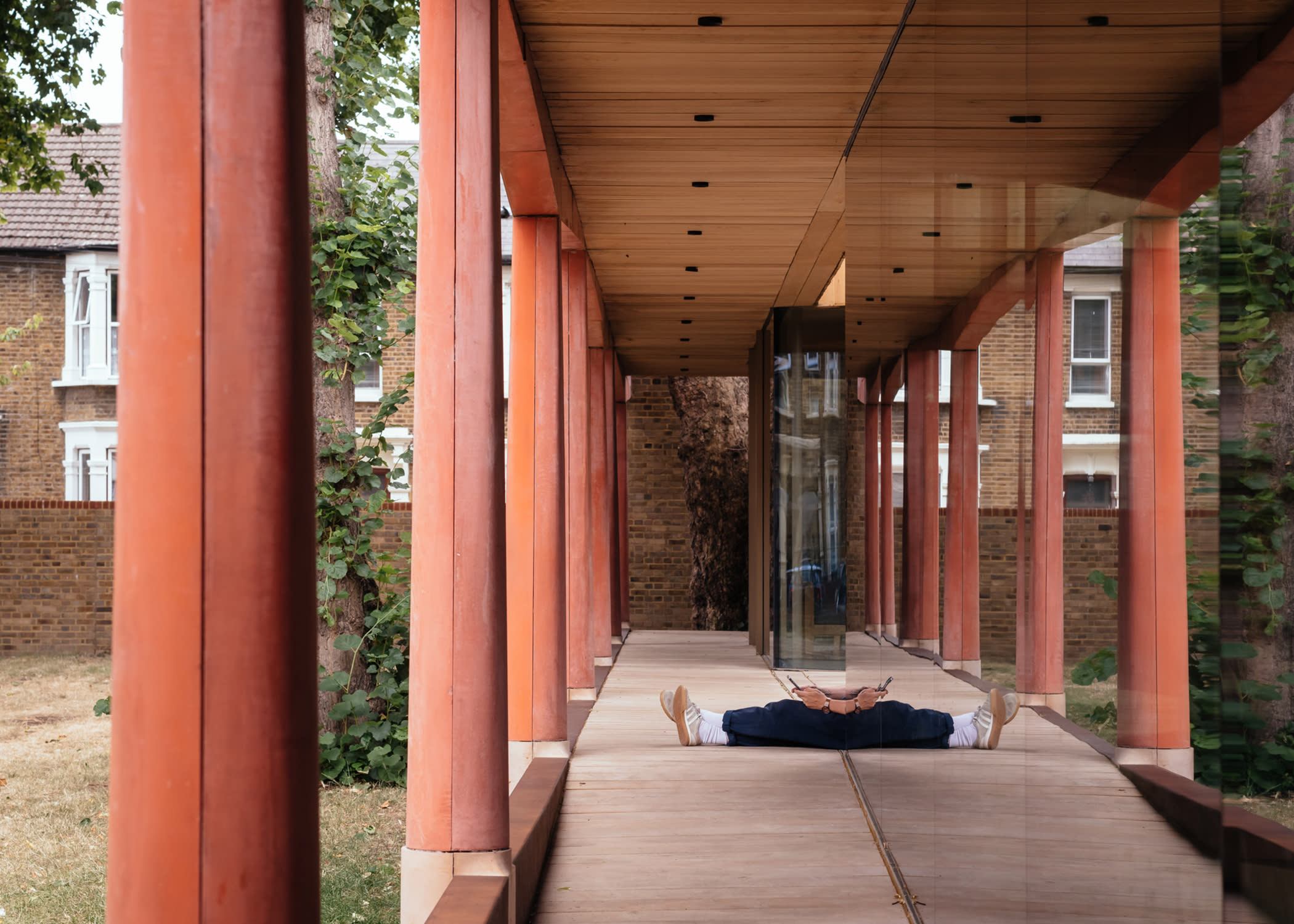
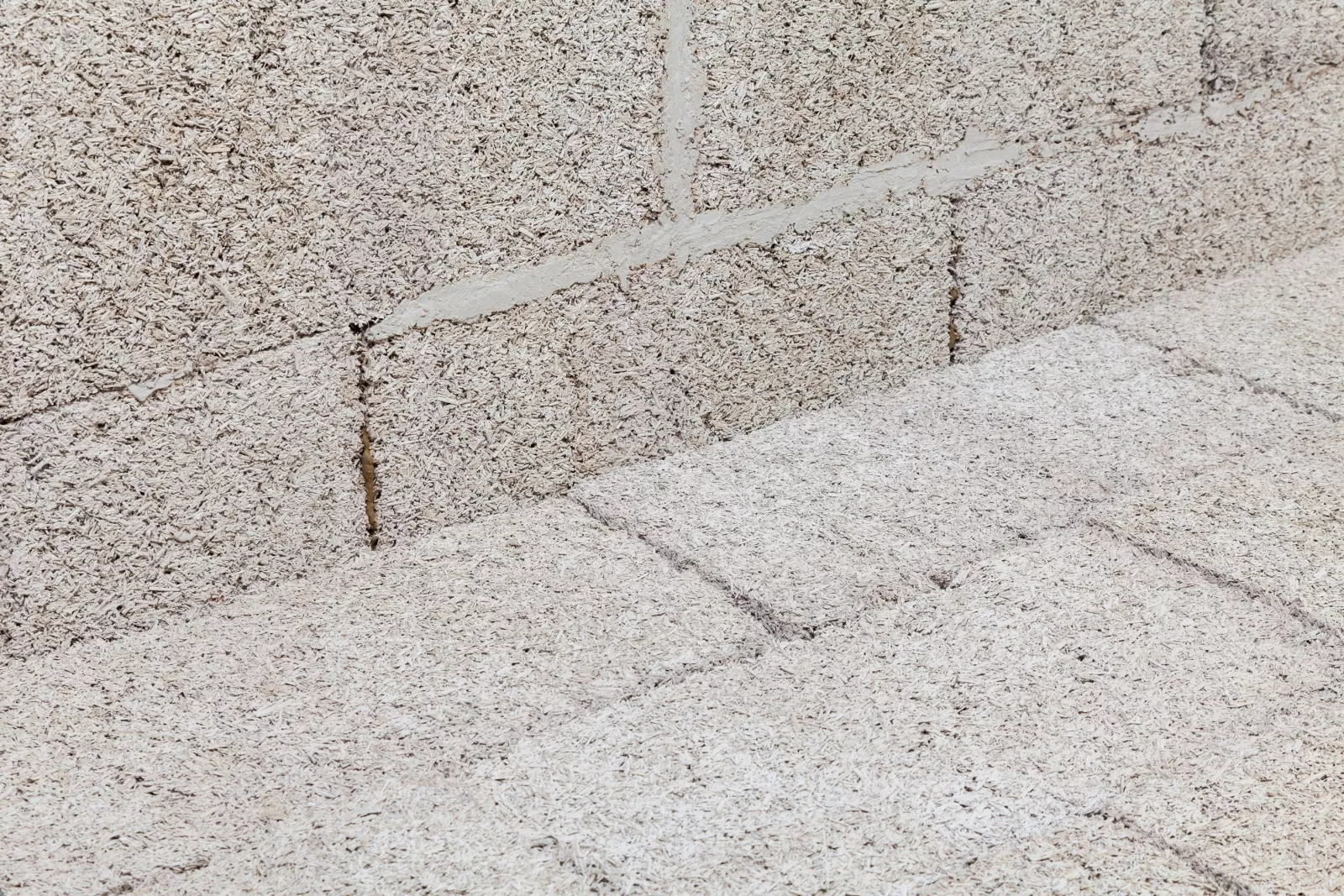
The Ightham Mote Visitor Reception is a new arrival building and retail facility designed by Reed Watts for the National Trust at the Grade I listed Ightham Mote estate in Kent. Located within the historic walled garden, the building forms part of a broader landscape and access strategy that relocates visitor parking away from the heritage core and restores the garden as a productive landscape. The architectural approach emphasises a restrained material palette derived from the estate context, combining hemp-lime masonry, timber structure, lime finishes and locally sourced sweet chestnut cladding. The primary envelope system uses 400 mm thick precast hempcrete insulation blocks supplied by The Hemp Block Company, providing a breathable and highly insulated wall assembly. The hemp-lime blocks regulate humidity and internal temperature through their vapour-permeable and hygroscopic properties, supporting stable indoor environmental conditions. Structurally, an exposed timber frame supports the roof and defines the interior spatial rhythm, while the hemp-lime walls act as a low-carbon insulating enclosure. Passive environmental strategies include natural ventilation, high levels of insulation and daylight optimisation through clerestory glazing. Mechanical systems are minimised, with heating supplied by an air source heat pump. The project demonstrates how contemporary low-impact construction can be integrated into sensitive heritage landscapes while supporting modern visitor infrastructure.
The Ightham Mote Visitor Reception is a new arrival building and retail facility designed by Reed Watts for the National Trust at the Grade I listed Ightham Mote estate in Kent. Located within the historic walled garden, the building forms part of a broader landscape and access strategy that relocates visitor parking away from the heritage core and restores the garden as a productive landscape. The architectural approach emphasises a restrained material palette derived from the estate context, combining hemp-lime masonry, timber structure, lime finishes and locally sourced sweet chestnut cladding. The primary envelope system uses 400 mm thick precast hempcrete insulation blocks supplied by The Hemp Block Company, providing a breathable and highly insulated wall assembly. The hemp-lime blocks regulate humidity and internal temperature through their vapour-permeable and hygroscopic properties, supporting stable indoor environmental conditions. Structurally, an exposed timber frame supports the roof and defines the interior spatial rhythm, while the hemp-lime walls act as a low-carbon insulating enclosure. Passive environmental strategies include natural ventilation, high levels of insulation and daylight optimisation through clerestory glazing. Mechanical systems are minimised, with heating supplied by an air source heat pump. The project demonstrates how contemporary low-impact construction can be integrated into sensitive heritage landscapes while supporting modern visitor infrastructure.
Precast hemp-lime wall system: 400 mm hempcrete blocks provide insulation, moisture regulation and acoustic buffering within a single breathable wall build-up suitable for heritage environments.
Bio-regional material palette: Locally coppiced sweet chestnut cladding align the building envelope with regional renewable material supply chains.
Timber frame construction: The exposed timber structure uses paired timber sections and simple carpentry connections to minimise large-section timber demand and material waste.
Heritage-sensitive site planning: Relocating parking away from the historic core enabled restoration of the walled garden while establishing a new visitor arrival sequence.
Passive environmental control: Natural ventilation, daylight-optimised openings and high-performance envelope design reduce operational energy demand before mechanical systems are introduced.
Precast hemp-lime wall system: 400 mm hempcrete blocks provide insulation, moisture regulation and acoustic buffering within a single breathable wall build-up suitable for heritage environments.
Bio-regional material palette: Locally coppiced sweet chestnut cladding align the building envelope with regional renewable material supply chains.
Timber frame construction: The exposed timber structure uses paired timber sections and simple carpentry connections to minimise large-section timber demand and material waste.
Heritage-sensitive site planning: Relocating parking away from the historic core enabled restoration of the walled garden while establishing a new visitor arrival sequence.
Passive environmental control: Natural ventilation, daylight-optimised openings and high-performance envelope design reduce operational energy demand before mechanical systems are introduced.

Project Team
Location
Year Completed
Project Value
Awards
Sources
More Stories
More articles you may find useful, carefully selected from our journal